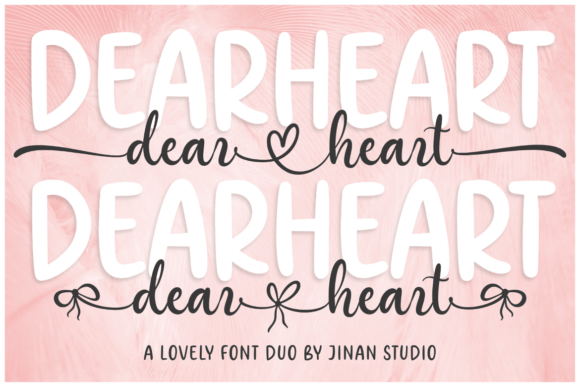
Dearheart: A Strategic Font Duo for Creative and Professional Communication
Dearheart is a font duo that combines a bold handwritten display font with a sweet, flowing script. This pairing offers a unique opportunity to add warmth and personality to your designs, making it an ideal choice for various creative and professional applications. Whether you're crafting invitations, branding materials, or digital content, Dearheart brings a handmade feel that can enhance the emotional resonance of your message.
Strategic Use of Dearheart in Branding and Marketing
For entrepreneurs and small business owners, the right typography can significantly impact brand perception. Dearheart's combination of a bold display font and a flowing script allows for versatile branding opportunities. The bold font can be used for headlines and key messages, while the script adds a personal touch to subheadings or taglines.
Consider using Dearheart in your logo design, marketing collateral, or social media posts. Its heart-themed swashes and playful accents can help convey a sense of care and attention to detail—qualities that are essential in building customer trust and loyalty.
Planning Your Typography Strategy
Before integrating Dearheart into your brand identity, consider the following:
- Target Audience: Does your audience appreciate a more personal and handcrafted look? If so, Dearheart could resonate well with them.
- Brand Tone: Is your brand tone warm, friendly, or more formal? Dearheart leans towards the former, making it suitable for brands that prioritize approachability.
- Consistency: Ensure that the use of Dearheart aligns with your overall visual identity and doesn't clash with other design elements.
By carefully planning your typography strategy, you can ensure that Dearheart enhances rather than detracts from your brand's message.
Enhancing Communication with Dearheart
Effective communication is crucial in any professional setting, whether you're presenting to clients, publishing content, or creating educational materials. Dearheart can play a strategic role in enhancing the readability and appeal of your communication.
For example, when designing greeting cards or promotional materials, the flow of the script font can guide the reader's eye smoothly through the text. This can be particularly useful in storytelling or when emphasizing key points.
Additionally, the PUA-encoded nature of Dearheart means that all glyphs, swashes, and alternate characters are easily accessible. This feature allows for greater flexibility in design, enabling you to customize your typography to match specific needs without compromising on quality.
Use Cases for Dearheart
Here are some practical examples of how you can use Dearheart in your projects:
- Invitations: Create heartfelt wedding or event invitations that reflect the warmth and personal touch of the Dearheart font.
- Branding Materials: Incorporate the font into your website headers, social media banners, or packaging designs to create a cohesive and memorable brand image.
- Quotes and Motivational Content: Use the script font for quotes or motivational phrases to add a personal and inspiring element to your content.
- Greeting Cards: Design custom greeting cards that stand out with the unique style of Dearheart.
Each of these use cases highlights the versatility of Dearheart and its ability to support different communication goals.
Considering Risks and Limitations
While Dearheart offers numerous benefits, it's important to consider potential risks and limitations before relying on it extensively. Overuse of any font can lead to visual fatigue or confusion, especially if the font doesn't align with the overall design aesthetic.
Moreover, the handwritten nature of the script font may not be suitable for all types of content. For instance, technical documents or legal texts require clarity and precision, which may not be achievable with a more decorative font like Dearheart.
To mitigate these risks, ensure that Dearheart is used strategically and purposefully. It should complement rather than overshadow the content it's paired with. Always test the font in different contexts and sizes to ensure it maintains legibility and effectiveness.
Best Practices for Using Dearheart
Here are some best practices to keep in mind when using Dearheart:
- Balance: Pair the bold display font with the script font in a way that creates visual balance and harmony.
- Legibility: Ensure that the text remains easy to read, even when using the script font for longer passages.
- Context: Consider the context in which the font will be used and choose the appropriate variant (bold or script) based on the message you want to convey.
By following these best practices, you can maximize the effectiveness of Dearheart and ensure that it supports your communication goals without compromising on clarity or professionalism.
Long-Term Value and Creativity
Incorporating Dearheart into your design repertoire can provide long-term value by enhancing the creativity and emotional impact of your work. As a designer or marketer, having access to a font that can evoke warmth and personality can be a valuable asset in standing out in a competitive market.
Moreover, the ability to access all glyphs and swashes through PUA encoding ensures that you have the tools needed to create unique and personalized designs. This level of customization can be particularly beneficial for freelancers, bloggers, and publishers looking to differentiate their content.
By thoughtfully integrating Dearheart into your projects, you can achieve better results and create more engaging experiences for your audience. Whether you're working on a small project or a large-scale campaign, the strategic use of this font can contribute to your long-term success.